
You wake up in the morning and before you even put your feet on the floor, you already know it’s going to be one of those days. Your knees feel like they were packed in concrete overnight. Your fingers are stiff before you’ve made your first cup of coffee. And you’re left wondering: is this just getting older, or is something else going on?
Here’s what most people don’t hear enough: what you eat every single day has a direct impact on how much joint pain and inflammation you experience. This isn’t alternative medicine or wishful thinking — it’s well-documented science. Certain foods trigger the inflammatory pathways that make joints ache, swell, and stiffen. And certain foods do the opposite: they calm those pathways down and help your body manage inflammation more effectively.
In this guide, you’ll learn what to eat when your joints feel stiff, which foods may help reduce joint pain and inflammation, and simple ways to build an anti-inflammatory plate without following a restrictive diet.
Although there’s no single “magic food” that eliminates joint pain overnight, research continues to show that certain eating patterns can help reduce inflammation, support healthy cartilage, and improve overall joint function. Even small, consistent changes to your meals can add up over time.
If you’re a woman over 40, this matters even more. Shifting hormones — especially declining estrogen — reduce your body’s natural ability to buffer inflammation. That’s not a reason to panic. It is a reason to be strategic about what’s on your plate.
Let’s get into it.
Why Food Has So Much Power Over Joint Pain and Inflammation
Inflammation isn’t always a bad thing. In fact, it’s your body’s natural response to injury or infection. The problem happens when inflammation becomes chronic.
Long-term, low-grade inflammation may contribute to:
- Joint stiffness
- Swelling
- Morning aches
- Reduced flexibility
- Increased discomfort during everyday activities
What drives chronic inflammation? A big part of it is diet. When you consistently eat foods that spike blood sugar, disrupt gut bacteria, or trigger an immune response, your body stays stuck in a low-level inflammatory state. Over time, that shows up in your joints.
Think of food as daily support for your body’s repair systems. Every meal is another opportunity to provide nutrients that help maintain healthy tissues and reduce unnecessary inflammation.
The flip side is also true. An anti-inflammatory diet doesn’t just reduce pain markers in lab tests — it changes how you feel. Less morning stiffness. Better range of motion. More energy. Women who shift their eating patterns often report feeling a meaningful difference within two to four weeks.
That’s not a coincidence. It’s your body responding to the fuel you’re giving it.
The Best Foods to Eat When Your Joints Feel Stiff
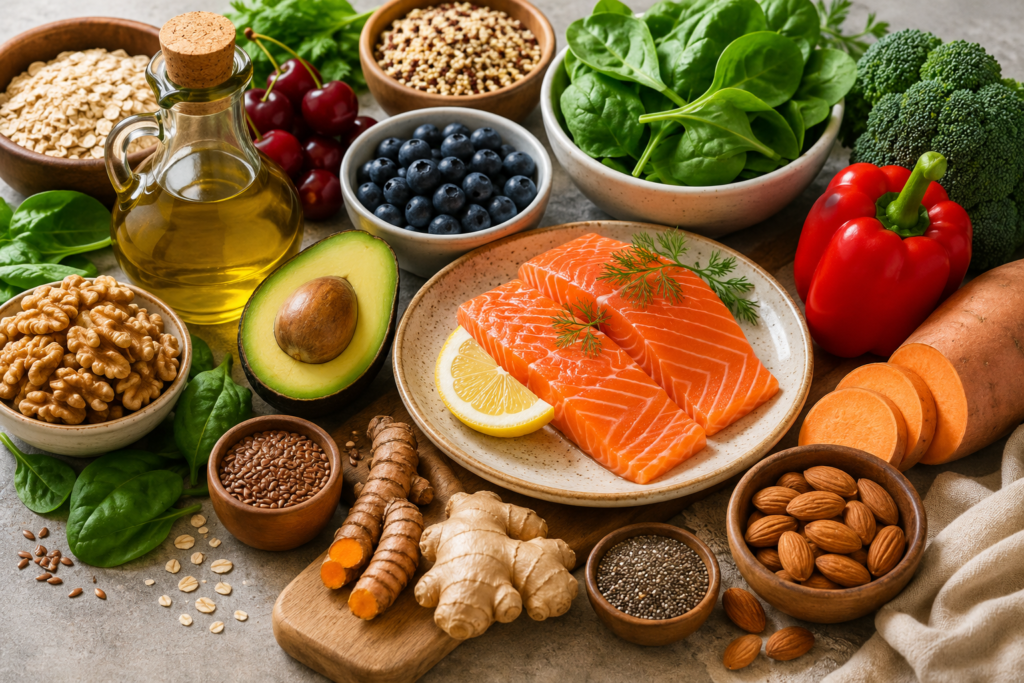
Think of these as your daily anti-inflammatory toolkit. You don’t have to eat all of them every day, but the more consistently they show up in your meals, the better your joints tend to feel.
1. Fatty Fish Rich in Omega-3s
Omega-3 fatty acids are among the most researched nutrients for supporting joint health.
Good choices include:
- Salmon
- Sardines
- Mackerel
- Trout
- Herring
Omega-3 fats help balance inflammatory processes in the body and may reduce joint tenderness in some people. Research consistently links regular omega-3 intake to lower levels of inflammatory markers like C-reactive protein (CRP).
Aim for two servings of fatty fish each week if possible.
2. Colorful Fruits and Vegetables
Brightly colored produce contains antioxidants that help protect cells from oxidative stress, which is closely linked with inflammation.
Great options include:
- Blueberries
- Cherries
- Strawberries
- Spinach
- Kale
- Broccoli
- Bell peppers
- Sweet potatoes
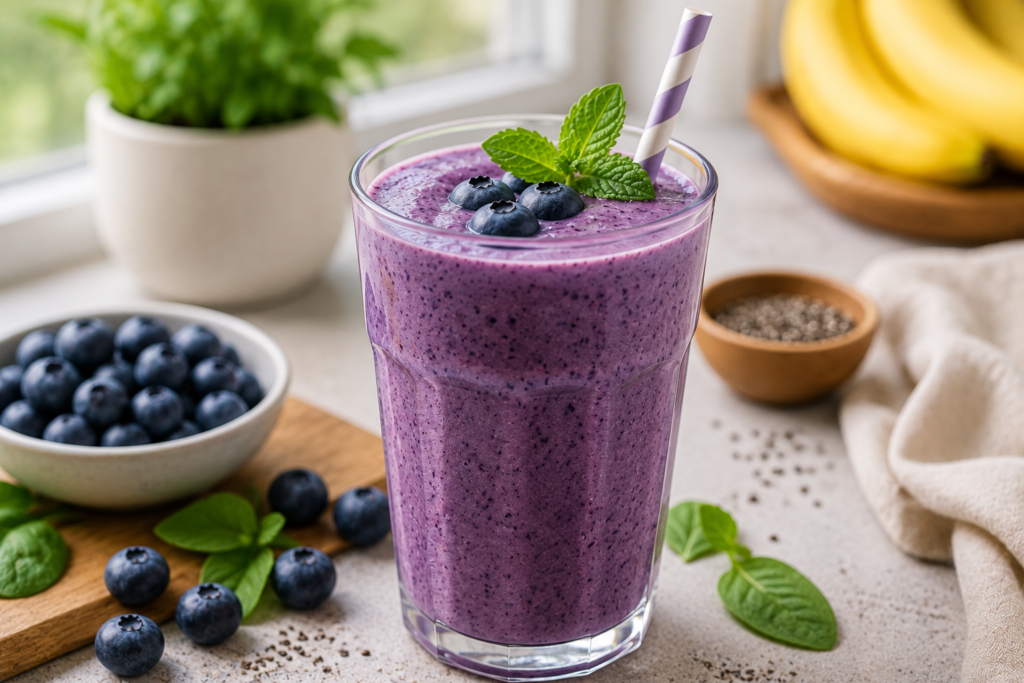
Berries contain anthocyanins — the pigments that give them their color — which have potent anti-inflammatory and antioxidant effects. Tart cherries in particular have been studied specifically for joint pain and have shown promise for reducing inflammation-related discomfort.
Dark leafy greens are packed with vitamin K, magnesium, and antioxidants that help protect joint tissue from oxidative damage. They’re also high in fiber, which feeds the beneficial gut bacteria that play a surprisingly large role in regulating systemic inflammation.
Try filling at least half your plate with vegetables during lunch and dinner.
3. Healthy Fats
Not all fats are created equal.
Healthy fats found in foods like:
- Extra virgin olive oil
- Avocados
- Walnuts
- Almonds
- Chia seeds
- Flaxseeds
provide compounds that support heart health while also helping reduce inflammation throughout the body.
Olive oil isn’t just a good fat — it contains a compound called oleocanthal that works similarly to ibuprofen, inhibiting the same inflammatory enzymes. Use it as your primary cooking fat and in salad dressings.
Walnuts are especially rich in plant-based omega-3s (ALA), while flax and chia provide fiber and additional anti-inflammatory compounds. A small handful daily is plenty.
4. Whole Grains
Highly refined carbohydrates may contribute to inflammation, while whole grains provide fiber that supports a healthy gut microbiome.
Good choices include:
- Oats
- Brown rice
- Quinoa
- Barley
- Whole wheat
- Buckwheat
A healthier gut may influence inflammation levels throughout the body, making fiber an important part of an anti-inflammatory diet.
5. Beans and Lentils
These affordable pantry staples offer:
- Plant protein
- Fiber
- Magnesium
- Iron
- Polyphenols
They’re filling, versatile, and can easily replace processed meats in several meals each week.
6. Ginger & Turmeric
Fresh or dried ginger and or turmeric contains gingerols and shogaols — compounds that inhibit inflammatory cytokines. It works particularly well in teas, stir-fries, and smoothies, and has some evidence supporting its role in reducing joint pain specifically.
Bone broth Rich in collagen, gelatin, and glycine, bone broth provides building blocks that support the cartilage and connective tissue around joints. It also contains glucosamine and chondroitin naturally, which are the same compounds sold as supplements for joint health.
Foods That May Make Joint Pain Worse
This part is just as important — and often more surprising. Some of the foods most people eat daily are quietly stoking the inflammatory fire.
- Sugar and refined carbohydrates — White bread, pastries, sweetened drinks, and anything with added sugars trigger rapid blood sugar spikes that set off a cascade of inflammatory signals. This is one of the biggest dietary drivers of chronic joint inflammation.
- Processed vegetable oils (canola, soybean, corn oil) — These are extremely high in omega-6 fatty acids. While your body needs some omega-6, the modern diet delivers an extreme imbalance relative to omega-3s, which pushes inflammation up.
- Ultra-processed foods — Packaged snacks, fast food, and ready meals are typically loaded with additives, refined oils, and sugar — a triple threat for inflammation.
- Alcohol — Even moderate alcohol intake can increase gut permeability (“leaky gut”), which allows inflammatory compounds to enter the bloodstream more readily. For women dealing with joint pain, this often shows up as increased stiffness the morning after drinking.
- Gluten and dairy (for some women) — These aren’t inflammatory for everyone, but for a significant subset of women — especially those with autoimmune tendencies or gut issues — gluten and dairy can trigger an immune response that aggravates joint symptoms. If you suspect sensitivity, an elimination trial is worth considering.
The Gut-Joint Connection You Probably Haven’t Heard About
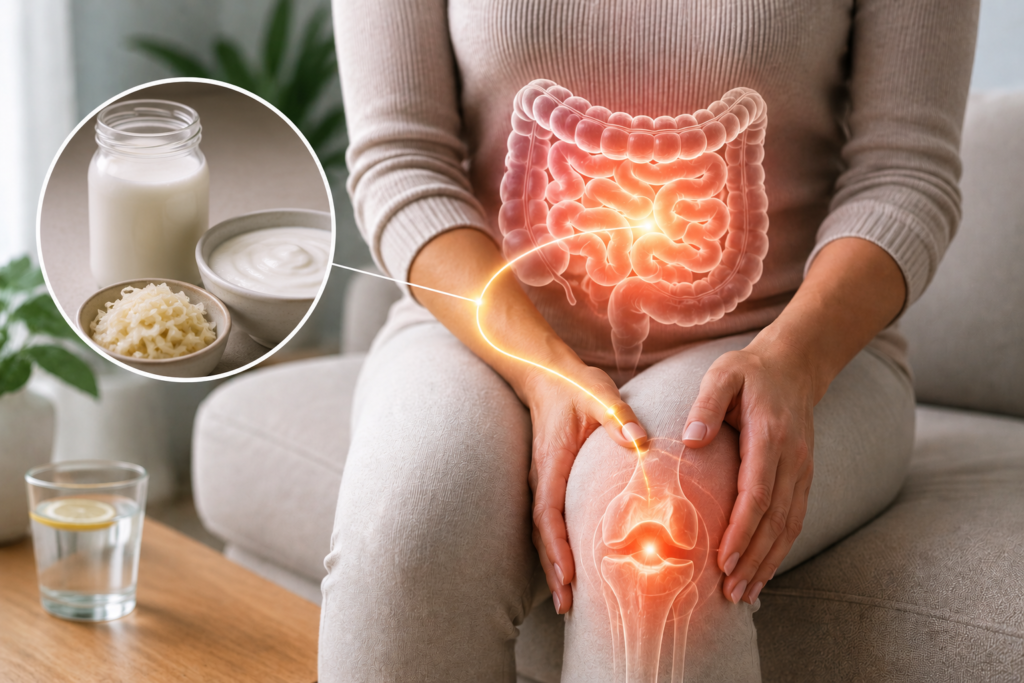
Your gut and your joints are talking to each other constantly — and the state of your gut microbiome has a direct effect on your body’s inflammatory baseline.
When gut bacteria are out of balance (a state called dysbiosis), the lining of your intestines can become more permeable. This allows inflammatory compounds — including bacterial toxins — to leak into your bloodstream and circulate throughout your body, including your joints.
This connection, sometimes called the gut-joint axis, is an active area of research, and the findings are compelling. Women who improve their gut health through diet — more fiber, fermented foods, and prebiotics — often see a corresponding improvement in joint symptoms.
Practical ways to support your gut for joint health:
- Add fermented foods daily: yogurt with live cultures, kefir, kimchi, sauerkraut, or kombucha
- Eat 25–35 grams of fiber per day from a variety of plant foods (variety matters for microbiome diversity)
- Include prebiotic foods: garlic, onion, asparagus, oats, and green bananas
- Stay well hydrated — your gut lining needs water to function properly
How to Actually Eat This Way Without Overhauling Your Entire Life
Let’s be honest: knowing what to eat and actually doing it consistently are two very different things. Life is busy. You’re not starting from zero, but you might be juggling work, family, and a dozen other priorities on top of managing pain that’s already draining your energy.
The good news is that an anti-inflammatory way of eating doesn’t require perfection. It’s cumulative. Small, consistent shifts move the needle over time — and most women feel meaningfully better within three to four weeks of eating this way.
A few practical starting points:
- Swap your cooking oil. Replace vegetable or canola oil with extra virgin olive oil. That’s one change that immediately shifts your omega-3 to omega-6 ratio.
- Add one anti-inflammatory food per meal. Not overhaul everything — just add. Berries at breakfast, leafy greens at lunch, fatty fish or olive oil at dinner.
- Cut the sweetened drinks. This single move — dropping soda, sweetened coffee drinks, and juice — reduces one of the biggest dietary inflammation triggers without changing everything else.
- Batch cook grains and proteins. When the building blocks are already in your fridge, assembling anti-inflammatory meals takes minutes, not effort.
- Supplement strategically if needed. If you’re not eating fatty fish twice a week, a high-quality omega-3 supplement is worth it. Same for curcumin — a supplement with piperine or in liposomal form will deliver what you can’t always get through food alone.
Simple Meal Ideas That Support Healthy Joints
One of the biggest misconceptions is that eating for joint health has to be expensive or complicated.
In reality, many anti-inflammatory meals are surprisingly simple.
Breakfast
- Oatmeal topped with blueberries, walnuts, and ground flaxseed
- Greek yogurt with berries and chia seeds
- Vegetable omelet with spinach and tomatoes
Lunch
- Salmon salad with mixed greens and olive oil dressing
- Lentil soup with whole-grain bread
- Quinoa bowl with roasted vegetables and chickpeas
Dinner
- Grilled salmon with roasted broccoli and brown rice
- Chicken with sweet potatoes and green beans
- Stir-fried vegetables with tofu over quinoa
Healthy Snacks
- Apple slices with almond butter
- Mixed nuts
- Carrot sticks and hummus
- Plain yogurt with fresh fruit
These meals naturally include nutrients that support overall wellness while helping reduce inflammation.

Lifestyle Habits That Work Alongside Nutrition
Food is important, but it works best as part of a bigger picture.
To support healthy joints, consider combining good nutrition with these evidence-based habits:
- Stay physically active with low-impact exercise
- Strengthen muscles around your joints
- Stretch regularly
- Maintain a healthy weight
- Prioritize quality sleep
- Manage chronic stress
- Stay hydrated throughout the day
Even losing a modest amount of excess weight can reduce pressure on weight-bearing joints like the knees and hips.
Small daily habits often have a larger long-term impact than occasional dramatic changes.
Ready to Go Deeper? Start Your 21-Day Reset
If you want a clear, done-for-you plan — one that takes all of this and puts it into a simple daily structure — the 21-Day Anti-Inflammatory Reset for Women 40+ was designed exactly for you.
It’s a step-by-step program that walks you through what to eat, when to eat it, and how to build the habits that actually stick — without giving up the foods you love or spending hours in the kitchen. Women who follow it report less joint stiffness, more energy, and a real sense of control over how their body feels.
Get the 21-Day Anti-Inflammatory Reset
You’ve done the research. You know this matters. Now it’s time to put it into action — one meal at a time.